The Danube Cliff and the Filești Tunnel in the European Year of Railways

The Danube Cliff

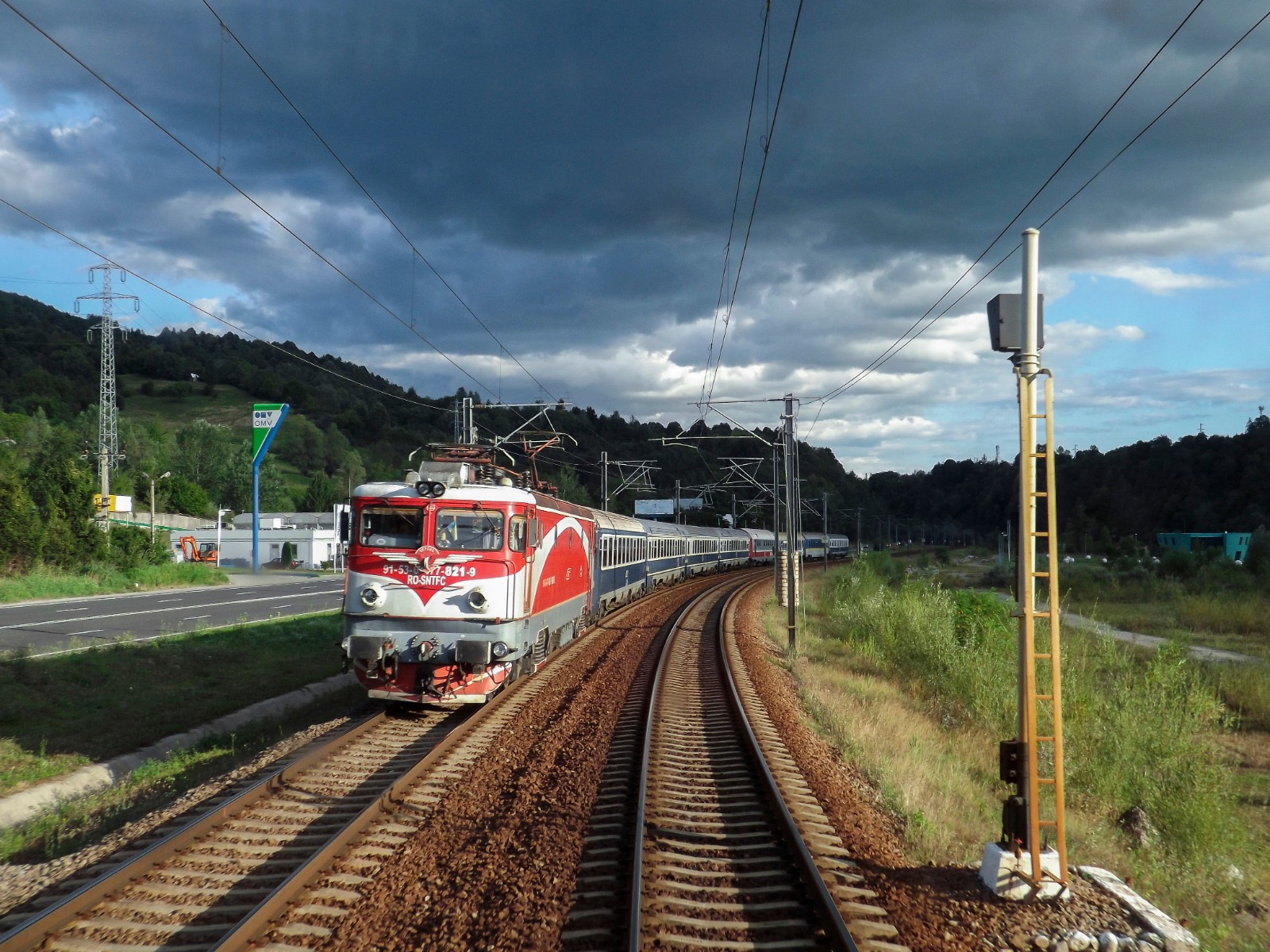
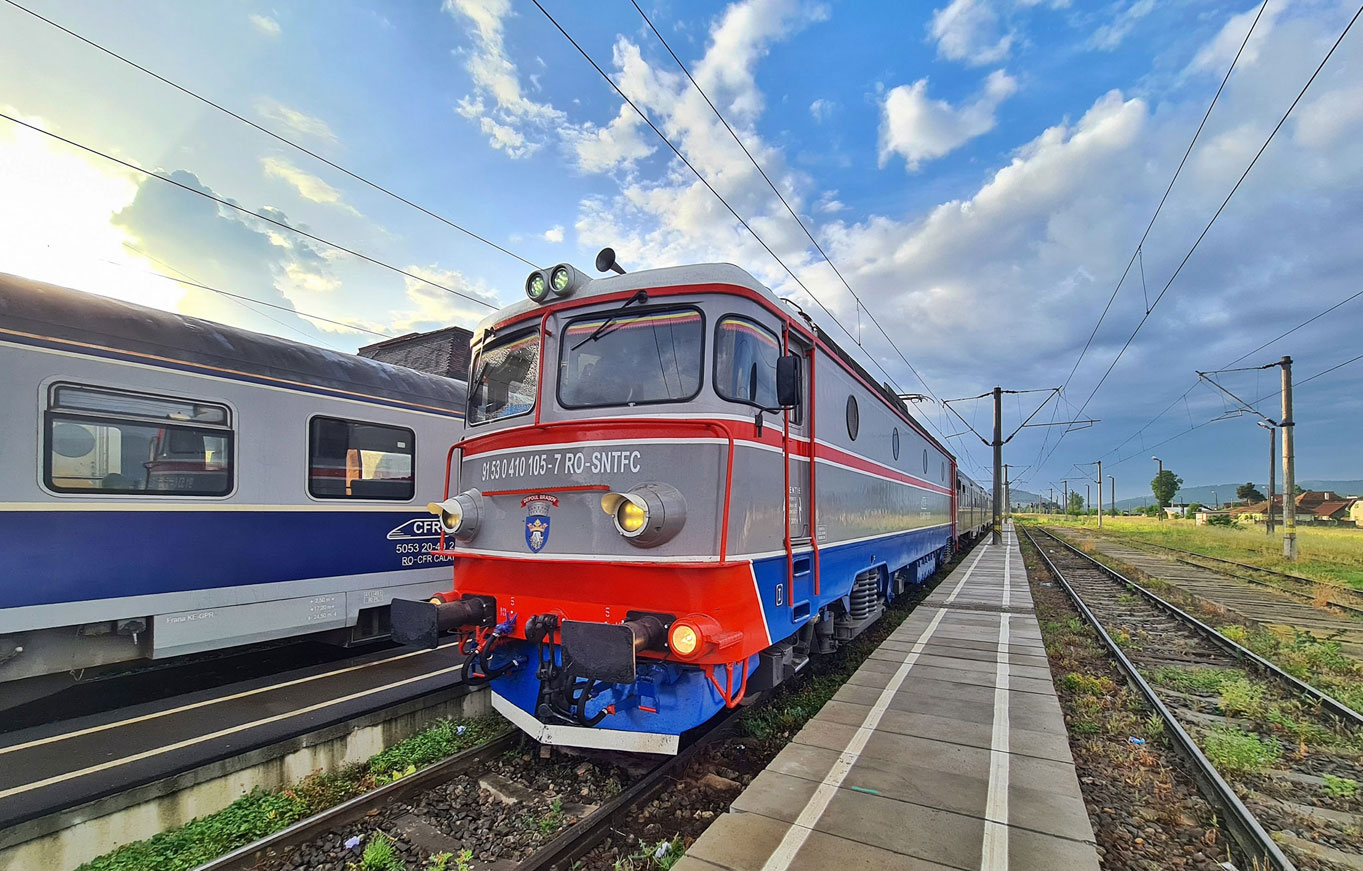
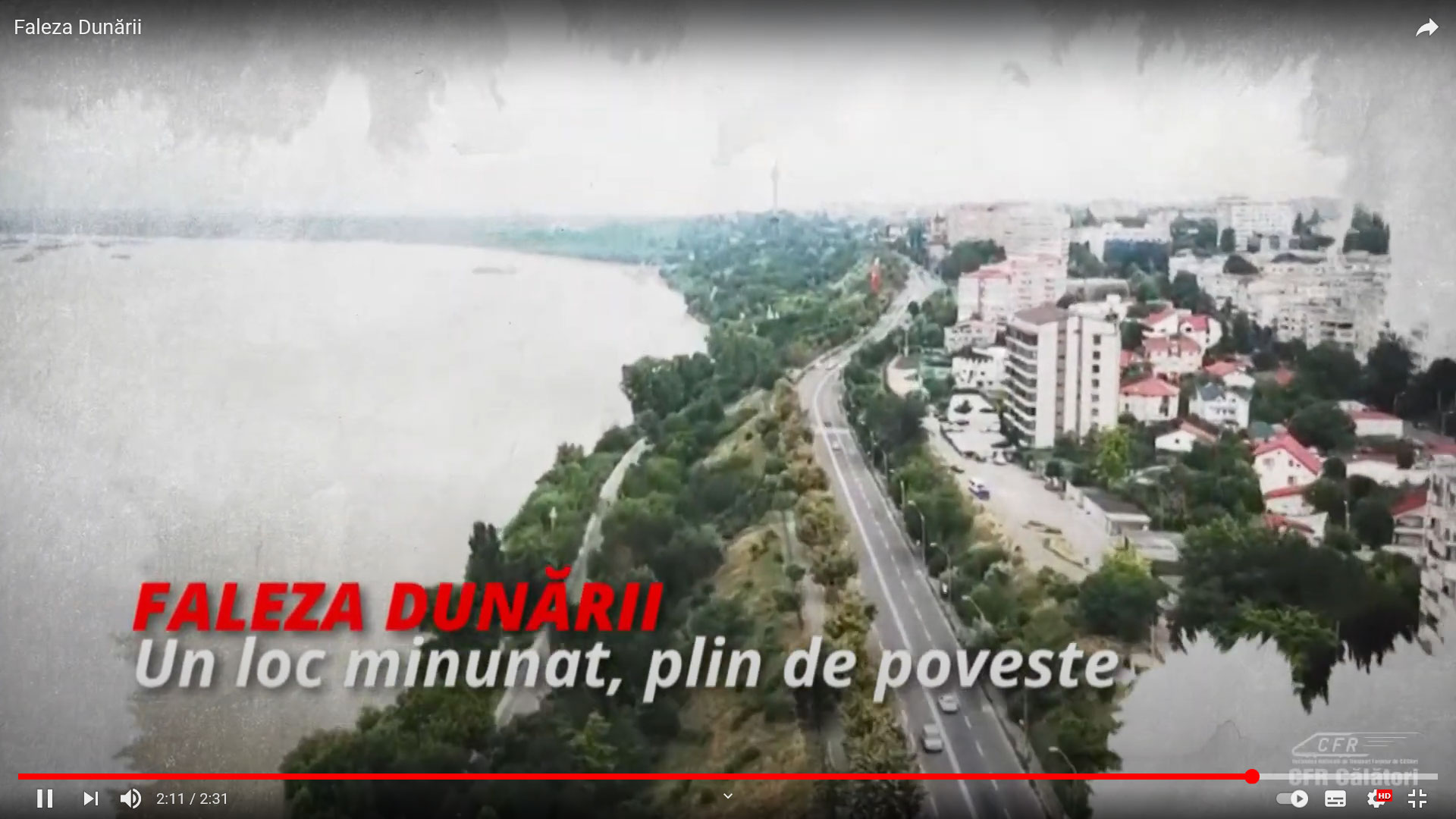
The railway connects all the important areas, which allows the trains to ensure the mobility of people traveling for business, commute, recreation etc. It is an invention that has changed the world over time, contributing as a factor of progress to economic development and the shaping of modern man. In the European Year of Railways, CFR Călători proposes you, in addition to the traditional holiday and recreation destinations – sea and mountains, to explore also by train other beautiful areas of the country, this time the Danube Cliff in Galați, the longest river cliff in Europe!

You have to take the CFR Călători train up to Galați –  the only city in Romania located on the three historical provinces of Moldavia, Wallachia and Dobrogea – and here you can walk on the Danube Cliff. Stretching for about 4 kilometers, it is the longest cliff on the Danube.

Dozens of modern works of art that form the largest metal sculpture exhibition in Romania can be admired on the Danube Cliff. Also, from the wide river cliff you can see the greatness of the Danube, but also the old mountains of Dobrogea in the distance.

Although Galați is a plain city with low altitudes of 55 m, it has a spectacular railway tunnel – the Fileşti Tunnel. It has a length of 767 m and stretches between Barboși and Galați railway stations, among the hills that separate the waters of the Prut from those of the Danube. The railway from Barboși to Galați has both a normal gauge and a wide gauge (line with 4 rails) that reaches the Republic of Moldova.

The Fileşti railway tunnel on the first line of the Bucureşti – Galaţi was built and inaugurated before 1900. In 1967 the authorities inaugurated the second tunnel in Fileşti, on the second line.

Did you know that?

The Filiești railway tunnel is the only one in the country that passes under a city?
The tunnel passes under Galaţi and connects the railway station with the rest of the railway infrastructure?

Other articles on the same subject:

Railway transport – the Most Ecologic Type of Passenger Transport in Europe click here
The future of transport is the railway – Chose the railway! click here
Romania – Founding Member of the International Union of Railways! click here
Railway transport – the Most Ecologic Type of Passenger Transport in Europe click here
Steam locomotives museum in Reșița click here
The “Ceferiada” Event click here
Steam locomotives museum in Dej click here
Rail transport connects Europe click here
Intelligent transport click here
The TRAIN = The railway transport is cleaner click here
140 years from the first railway built entirely by Romanian engineers click here
The railway connection of the Capital with the East and the West, in the beginning click here
The beginning of railways in Europe click here
Explore the railway route Suceava – Putna click here
The history of the royal train – CFR Călători click here
The Filiași – Bumbești – Livezeni railway click here
The Caracău Viaduct – the largest concrete arched viaduct in Romania click here
The Royal Station of Bucharest Băneasa click here
10% REDUCERE la Pass-ul Interrail

Nu rata reducerile de vară!

În perioada 22 iulie – 03 august 2021 te așteptăm cu REDUCERI de 10% la Pass-urile Interrail!

Ce trebuie să știi?

Poți alege …  Interrail Global Pass pentru călătoria în 33 de țări din Europa sau Interrail One Country Pass ideal pentru călătoria într-una din țările din Europa.

Prețuri Interrail Global Pass Promoţional – redus cu 10%:

VALABILITATE ADULT
Cl.1 
ADULT
Cl.2
COPIL** TANAR <28
Cl.1
TANAR <28
Cl.2
SENIOR >60
Cl.1
SENIOR >60
Cl.2
4 zile din 1 lună (Flexi) 295,00 € 221,00 € 0 € 221,00 € 167,00 € 266,00 € 199,00 €
5 zile din 1 lună (Flexi) 338,00 € 254,00 € 0 € 254,00 € 191,00 € 304,00 € 229,00 €
7 zile din 1 lună (Flexi) 401,00 € 302,00 € 0 € 302,00 € 226,00 € 361,00 € 272,00 €
10 zile din 2 luni (Flexi) 481,00 € 361,00 € 0 € 361,00 € 271,00 € 433,00 € 325,00 €
15 zile din 2 luni (Flexi) 591,00 € 444,00 € 0 € 444,00 € 333,00 € 532,00 € 400,00 €
15 zile continuu 531,00 € 399,00 € 0 € 399,00 € 299,00 € 478,00 € 359,00 €
22 zile continuu 621,00 € 466,00 € 0 € 466,00 € 350,00 € 559,00 € 419,00 €
1 lună continuu 804,00 € 603,00 € 0 € 603,00 € 453,00 € 724,00 € 543,00 €
2 luni continuu 878,00 € 658,00 € 0 € 658,00 € 493,00 € 790,00 € 592,00 €
3 luni continuu 1.082,00 € 812,00 € 0 € 812,00 € 609,00 € 974,00 € 731,00 €

**călătoresc gratuit maxim doi copii însoţiţi de un adult posesor de Interrail Global Pass. În cazul în care un adult posesor de pass doreşte să călătorească cu mai mult de doi copii, se va emite câte un pass de tânăr pentru fiecare din ceilalţi copii.

Preţuri pentru Interrail One Country Pass promoţional – redus cu 10%:
Pentru călătorii în: Marea Britanie

VALABILITATE ADULT
Cl.1 
ADULT
Cl.2
COPIL** TANAR <28
Cl.1
TANAR <28
Cl.2
SENIOR >60
Cl.1
SENIOR >60
Cl.2
3 zile din 1 lună (Flexi) 230,00 € 173,00 € 0 € 185,00 € 149,00 € 207,00 € 156,00 €
4 zile din 1 lună (Flexi) 262,00 € 196,00 € 0 € 210,00 € 165,00 € 236,00 € 176,00 €
5 zile din 1 lună (Flexi) 289,00 € 217,00 € 0 € 231,00 € 188,00 € 260,00 € 195,00 €
6 zile din 1 lună (Flexi) 314,00 € 236,00 € 0 € 251,00 € 204,00 € 283,00 € 212,00 €
8 zile din 1 lună (Flexi) 356,00 € 267,00 € 0 € 285,00 € 231,00 € 320,00 € 240,00 €

Pentru călătorii în: Spania

VALABILITATE ADULT
Cl.1 
ADULT
Cl.2
COPIL** TANAR <28
Cl.1
TANAR <28
Cl.2
SENIOR >60
Cl.1
SENIOR >60
Cl.2
3 zile din 1 lună (Flexi) 204,00 € 153,00 € 0 € 164,00 € 133,00 € 184,00 € 138,00 €
4 zile din 1 lună (Flexi) 237,00 € 177,00 € 0 € 189,00 € 154,00 € 213,00 € 159,00 €
5 zile din 1 lună (Flexi) 265,00 € 199,00 € 0 € 212,00 € 172,00 € 239,00 € 179,00 €
6 zile din 1 lună (Flexi) 291,00 € 218,00 € 0 € 232,00 € 189,00 € 262,00 € 196,00 €
8 zile din 1 lună (Flexi) 337,00 € 253,00 € 0 € 269,00 € 219,00 € 303,00 € 228,00 €

Pentru călătorii în: Austria și Franța

VALABILITATE ADULT
Cl.1 
ADULT
Cl.2
COPIL** TANAR <28
Cl.1
TANAR <28
Cl.2
SENIOR >60
Cl.1
SENIOR >60
Cl.2
3 zile din 1 lună (Flexi) 176,00 € 131,00 € 0 € 140,00 € 114,00 € 158,00 € 118,00 €
4 zile din 1 lună (Flexi) 207,00 € 156,00 € 0 € 166,00 € 135,00 € 186,00 € 140,00 €
5 zile din 1 lună (Flexi) 236,00 € 177,00 € 0 € 189,00 € 153,00 € 212,00 € 159,00 €
6 zile din 1 lună (Flexi) 262,00 € 196,00 € 0 € 210,00 € 170,00 € 236,00 € 176,00 €
8 zile din 1 lună (Flexi) 310,00 € 232,00 € 0 € 248,00 € 202,00 € 279,00 € 209,00 €

Pentru călătorii în: Benelux (Belgia, Olanda, Luxemburg), și Irlanda

VALABILITATE ADULT
Cl.1 
ADULT
Cl.2
COPIL** TANAR <28
Cl.1
TANAR <28
Cl.2
SENIOR >60
Cl.1
SENIOR >60
Cl.2
3 zile din 1 lună (Flexi) 145,00 € 109,00 € 0 € 116,00 € 95,00 € 131,00 € 98,00 €
4 zile din 1 lună (Flexi) 175,00 € 131,00 € 0 € 140,00 € 113,00 € 158,00 € 118,00 €
5 zile din 1 lună (Flexi) 203,00 € 152,00 € 0 € 162,00 € 131,00 € 183,00 € 137,00 €
6 zile din 1 lună (Flexi) 228,00 € 171,00 € 0 € 182,00 € 148,00 € 205,00 € 154,00 €
8 zile din 1 lună (Flexi) 275,00 € 206,00 € 0 € 220,00 € 178,00 € 248,00 € 185,00 €

Pentru călătorii în: Italia

VALABILITATE ADULT
Cl.1 
ADULT
Cl.2
COPIL** TANAR <28
Cl.1
TANAR <28
Cl.2
SENIOR >60
Cl.1
SENIOR >60
Cl.2
3 zile din 1 lună (Flexi) 152,00 € 114,00 € 0 € 122,00 € 95,00 € 137,00 € 103,00 €
4 zile din 1 lună (Flexi) 184,00 € 138,00 € 0 € 147,00 € 113,00 € 166,00 € 124,00 €
5 zile din 1 lună (Flexi) 212,00 € 159,00 € 0 € 170,00 € 131,00 € 192,00 € 144,00 €
6 zile din 1 lună (Flexi) 239,00 € 180,00 € 0 € 191,00 € 148,00 € 215,00 € 162,00 €
8 zile din 1 lună (Flexi) 288,00 € 216,00 € 0 € 230,00 € 178,00 € 260,00 € 194,00 €

Pentru călătorii în: Cehia, Estonia, Grecia, Ungaria, Portugalia și România

VALABILITATE ADULT
Cl.1 
ADULT
Cl.2
COPIL** TANAR <28
Cl.1
TANAR <28
Cl.2
SENIOR >60
Cl.1
SENIOR >60
Cl.2
3 zile din 1 lună (Flexi) 111,00 € 83,00 € 0 € 88,00 € 72,00 € 100,00 € 75,00 €
4 zile din 1 lună (Flexi) 137,00 € 103,00 € 0 € 110,00 € 89,00 € 123,00 € 93,00 €
5 zile din 1 lună (Flexi) 161,00 € 121,00 € 0 € 129,00 € 104,00 € 145,00 € 109,00 €
6 zile din 1 lună (Flexi) 185,00 € 139,00 € 0 € 148,00 € 120,00 € 167,00 € 125,00 €
8 zile din 1 lună (Flexi) 228,00 € 171,00 € 0 € 182,00 € 148,00 € 205,00 € 154,00 €

Pentru călătorii în: Bulgaria, Croatia, Macedonia, Letonia, Lituania, Polonia, Serbia, Slovacia, Slovenia și Turcia

VALABILITATE ADULT
Cl.1 
ADULT
Cl.2
COPIL** TANAR <28
Cl.1
TANAR <28
Cl.2
SENIOR >60
Cl.1
SENIOR >60
Cl.2
3 zile din 1 lună (Flexi) 70,00 € 53,00 € 0 € 56,00 € 46,00 € 63,00 € 48,00 €
4 zile din 1 lună (Flexi) 89,00 € 67,00 € 0 € 71,00 € 58,00 € 80,00 € 60,00 €
5 zile din 1 lună (Flexi) 107,00 € 80,00 € 0 € 86,00 € 69,00 € 96,00 € 72,00 €
6 zile din 1 lună (Flexi) 125,00 € 94,00 € 0 € 100,00 € 81,00 € 113,00 € 85,00 €
8 zile din 1 lună (Flexi) 158,00 € 119,00 € 0 € 127,00 € 103,00 € 142,00 € 107,00 €

Pentru călătorii operate de compania maritimă ATTICA GROUP între Italia și Grecia precum și între unele insule din Grecia


VALABILITATE ADULT
Cl.1 
ADULT
Cl.2
COPIL** TANAR <28
Cl.1
TANAR <28
Cl.2
SENIOR >60
Cl.1
SENIOR >60
Cl.2
4 zile din 1 lună (Flexi) 81,00 € 0 € 61,00 € 73,00 €
6 zile din 1 lună (Flexi) 187,00 € 158,00 € 0 € 164,00 € 140,00 € 168,00 € 143,00 €

**călătoresc gratuit maxim doi copii însoţiţi de un adult posesor de Interrail One Country Pass. În cazul în care un adult posesor de pass doreşte să călătorească cu mai mult de doi copii, se va emite câte un pass de tânăr pentru fiecare din ceilalţi copii.

Informaţii suplimentare pe site-ul: www.interrail.eu

Descarcă oferta Interail Global Pass Promo, 10% REDUCERE Descarcă
Descarcă oferta Interail One Country Pass Promo, 10% REDUCERE Descarcă
Află mai multe despre Pass-ul Interrail Citește
Stații și agentții CFR Călători de unde poți cumpăra Pass-ul Interrail Citește

The history of the royal train

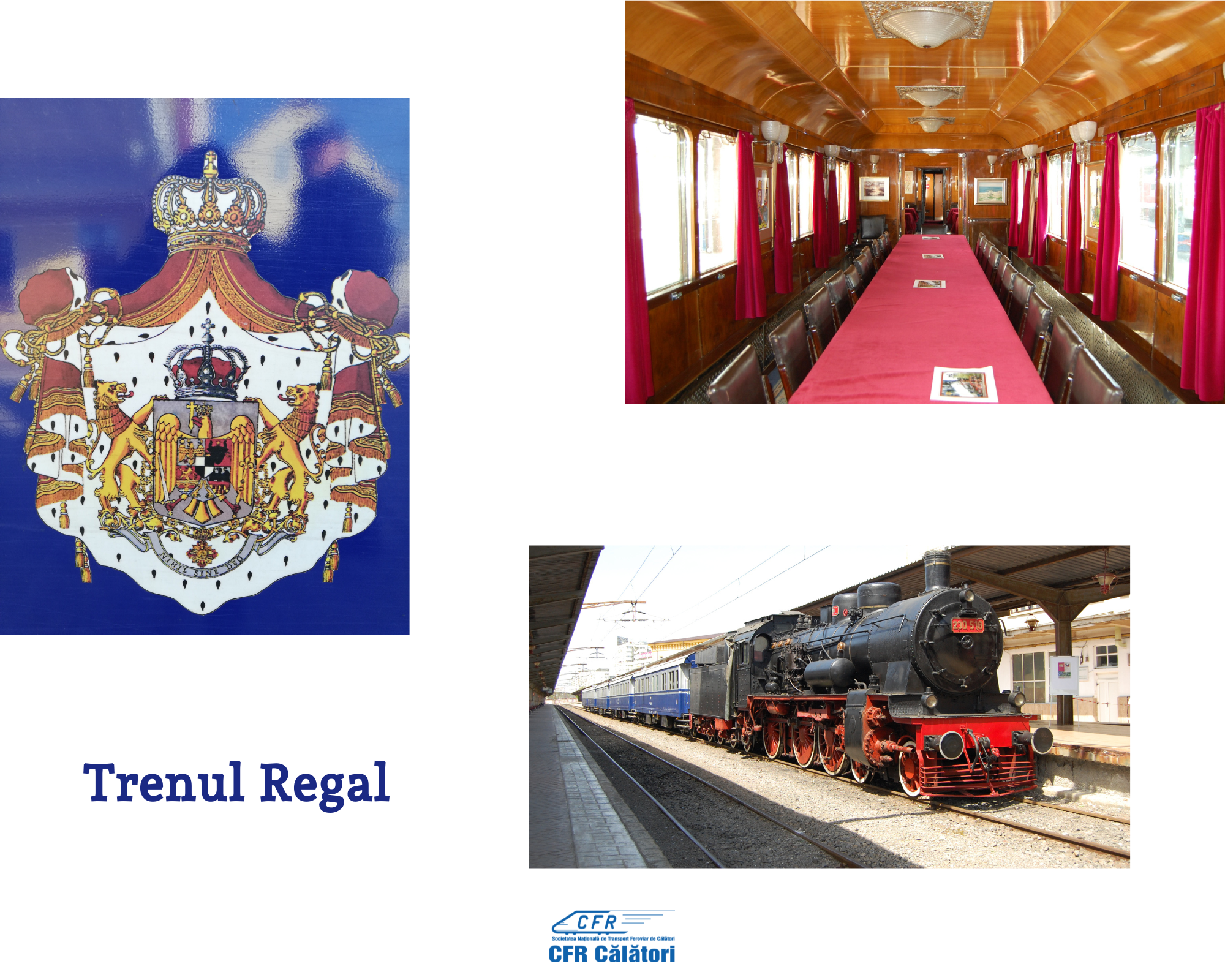
The royal train witnessed an important part of Romania’s history going through three forms of government: monarchy, communism and democracy. The train was ordered by King Ferdinand I in 1926 at the Ernesto Breda Construzioni Meccaniche factories in Milan, so that His Majesty and Queen Mary could make state visits to neighboring countries. The train was ready a year after the death of King Ferdinand and was used by his family.
The train is composed of the lounge coach, the King’s coach, the Queen’s coach, the guest coach and the coach of the House of His Majesty the King. The lounge coach is the one in which official dinners were held, and consists of the living room, where 24 people can sit at the table and a lounge with 12 seats.
In the Royal Train, over time, four generations of the Royal Family traveled: Queen Mary, King Charles II, Queen Helen, King Michael and Her Majesty Margaret.

Did you know that?

King Michael traveled extensively by Royal Train during World War II.
The Royal Train was restored in 2003 at the Griviţa workshops, the original elements being preserved in a proportion of over 80%.
The Royal Train of Romania was also used by political leaders between 1948 and 1989.

Source: https://familiaregala.ro/resedinte/trenul-regal

Other articles on the same subject:

CFR Călători, partner of Connecting Europe Express! click here
The future of transport is the railway – Chose the railway! click here
Romania – Founding Member of the International Union of Railways! click here
Railway transport – the Most Ecologic Type of Passenger Transport in Europe click here
Steam locomotives museum in Reșița click here
The “Ceferiada” Event click here
Steam locomotives museum in Dej click here
Rail transport connects Europe click here
Intelligent transport click here
The TRAIN = The railway transport is cleaner click here
140 years from the first railway built entirely by Romanian engineers click here
The railway connection of the Capital with the East and the West, in the beginning click here
The beginning of railways in Europe click here
Explore the railway route Suceava – Putna click here
The Danube Cliff and the Filești Tunnel in the European Year of Railways click here
The Filiași – Bumbești – Livezeni railway click here
The Caracău Viaduct – the largest concrete arched viaduct in Romania click here
The Royal Station of Bucharest Băneasa click here
Explore the railway route Suceava – Putna

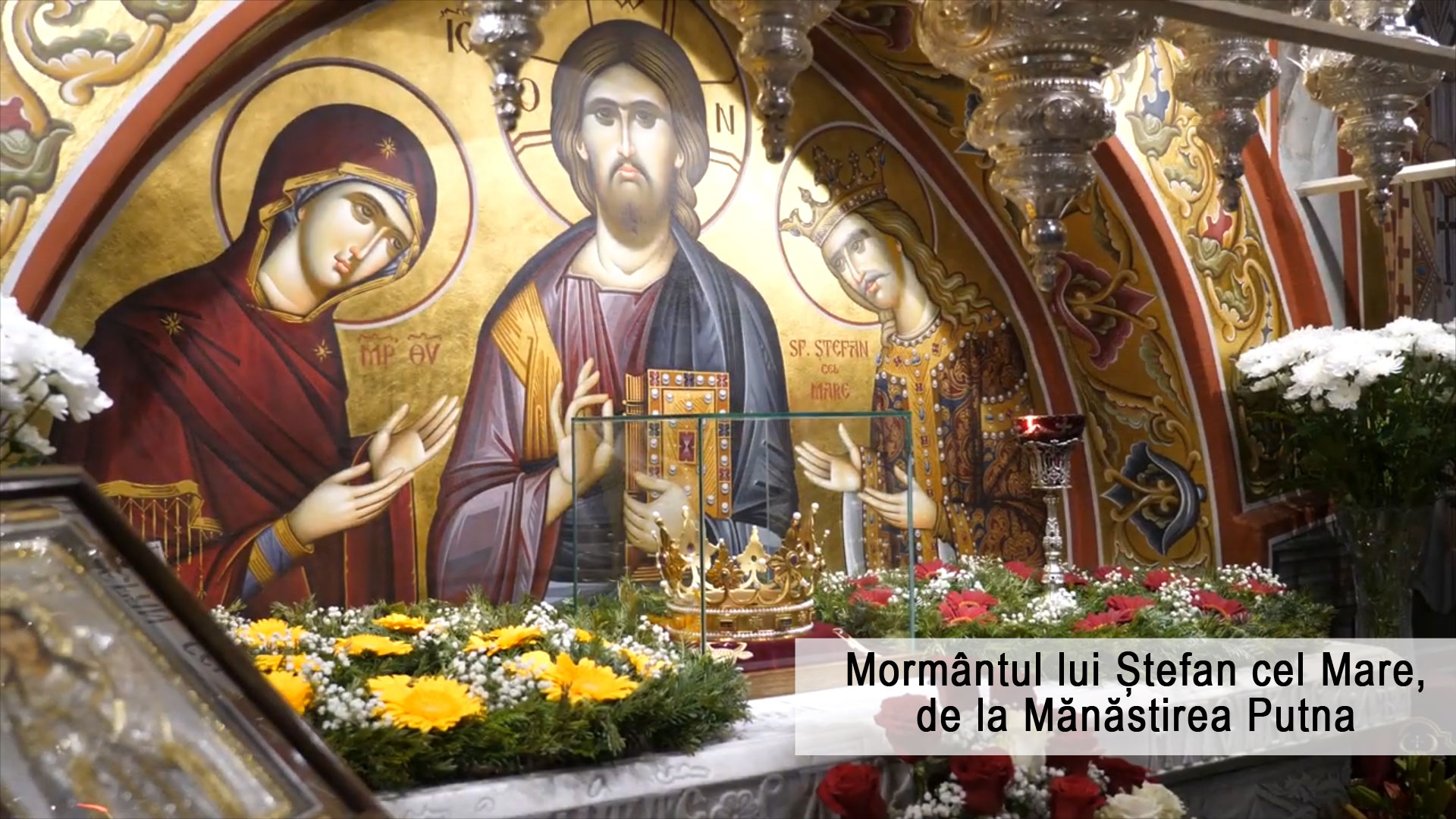
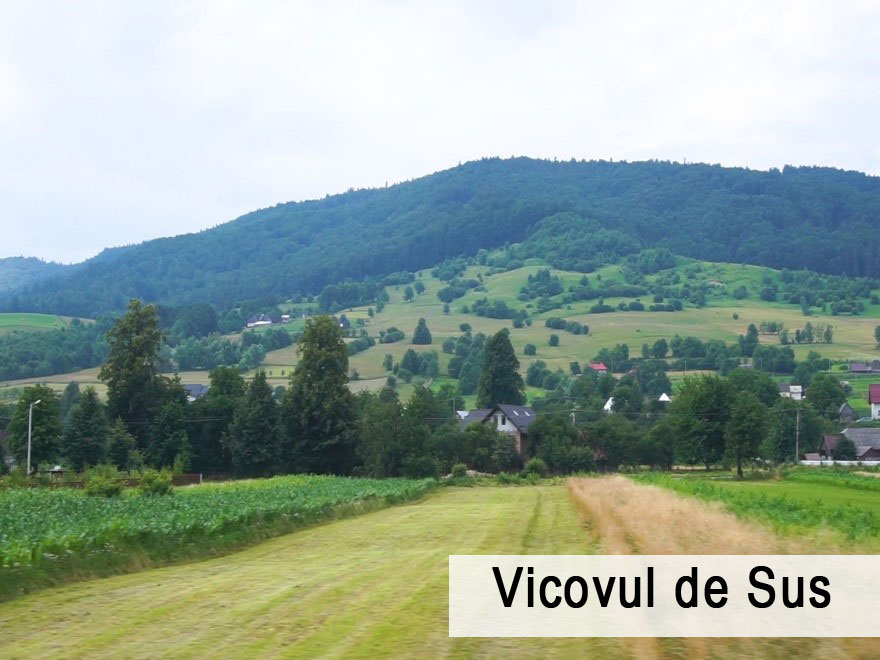
On the Day of the Holy Voivode Stephen the Great, celebrated on the 2nd of July, you can make a journey of the Suceava – Putna route, a railway in the historical province of Bucovina. Measuring 73 kilometers, it connects the former capital of Moldavia during the rule of Stephen the Great and the Putna Monastery.
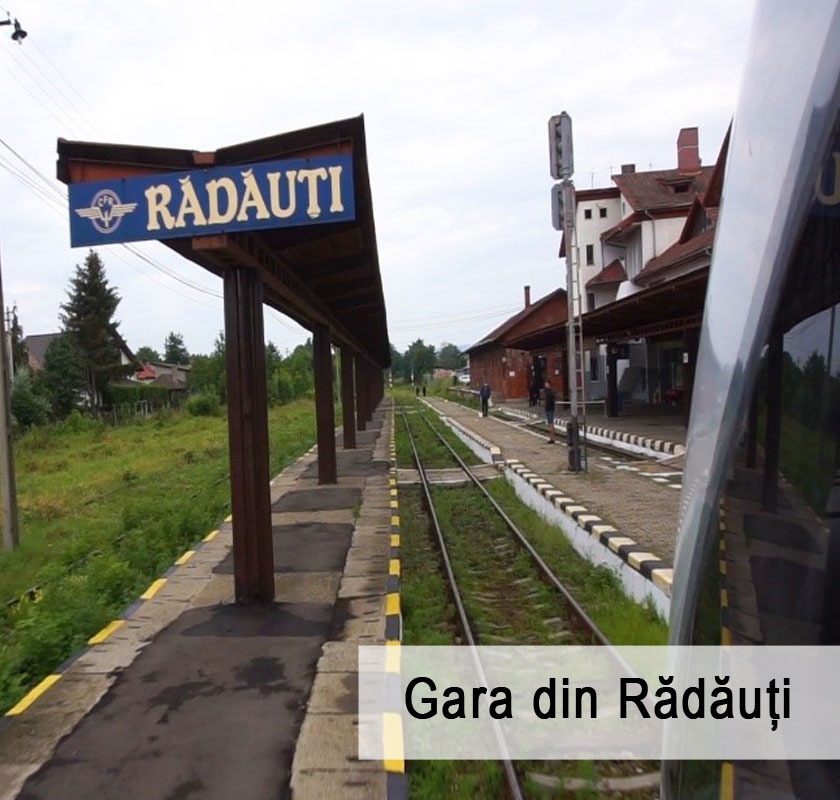
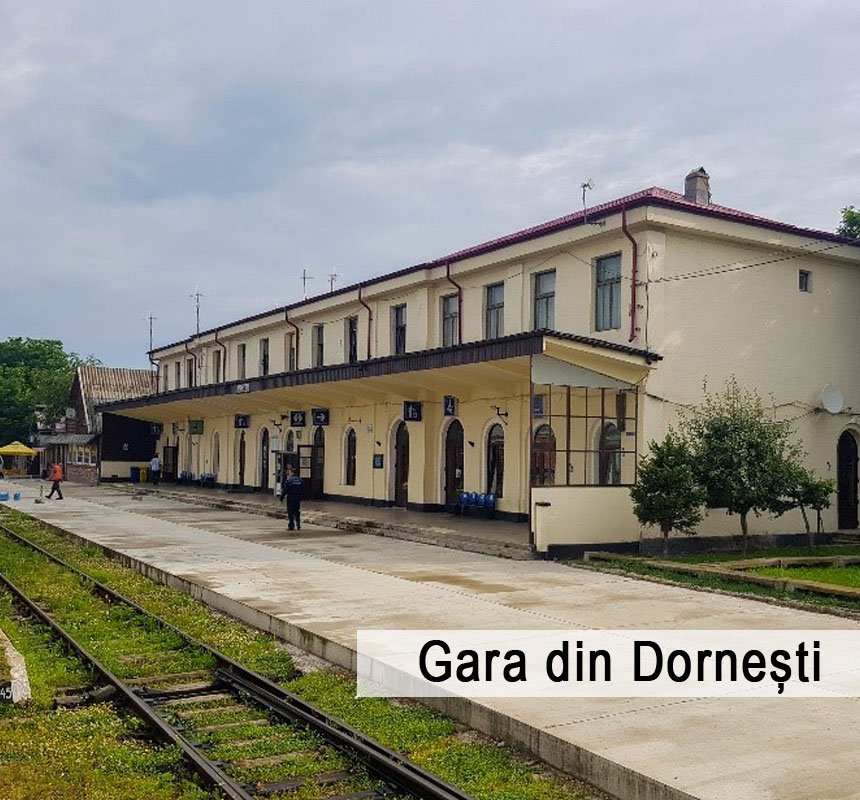
Considering that 2021 is the European Year of Rail, this represents a good opportunity to discover the secondary railways which were closed and reopened for their touristic and historical value, such as Suceava – Putna, with the following path: Suceava – Suceava North – Dărmăneşti – Milişăuţi – Ţibeni – Dorneşti – Rădăuţi – Gălăneşti – Vicov – Vicovu de Jos – Bivolăria – Gura Putnei – Putna Troiţă – Putna Centru.

Travelling by train on this route shall lead you into an area full of history and beautiful landscapes. The line crosses a part of the Suceava Corridor, on the left side of the Suceava River. Parenthetically, between Dorneşti and Vicşani, the railway overlaps the broad gauge line connecting with Ukraine. Here, the trains circulating towards Putna reverse (change travelling direction). After crossing the Suceava river, the railway reaches the town of Rădăuţi, then the Suceava Valley and climbs through a forested area to Gura Putnei.

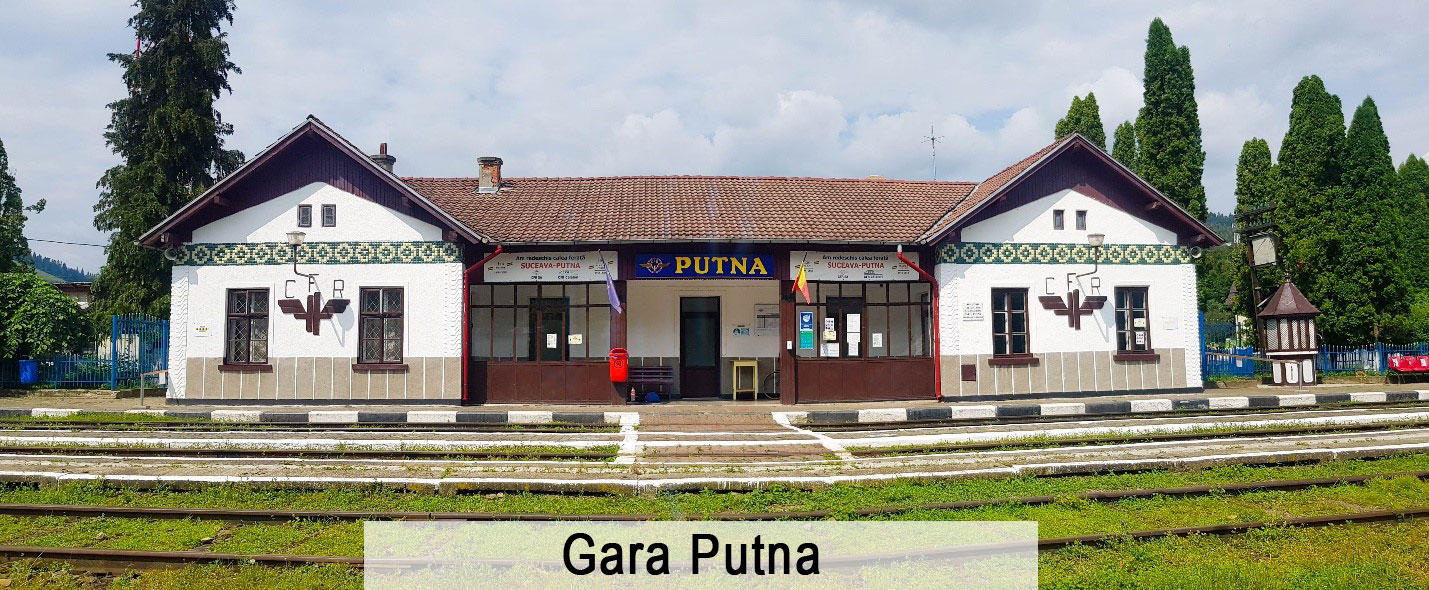
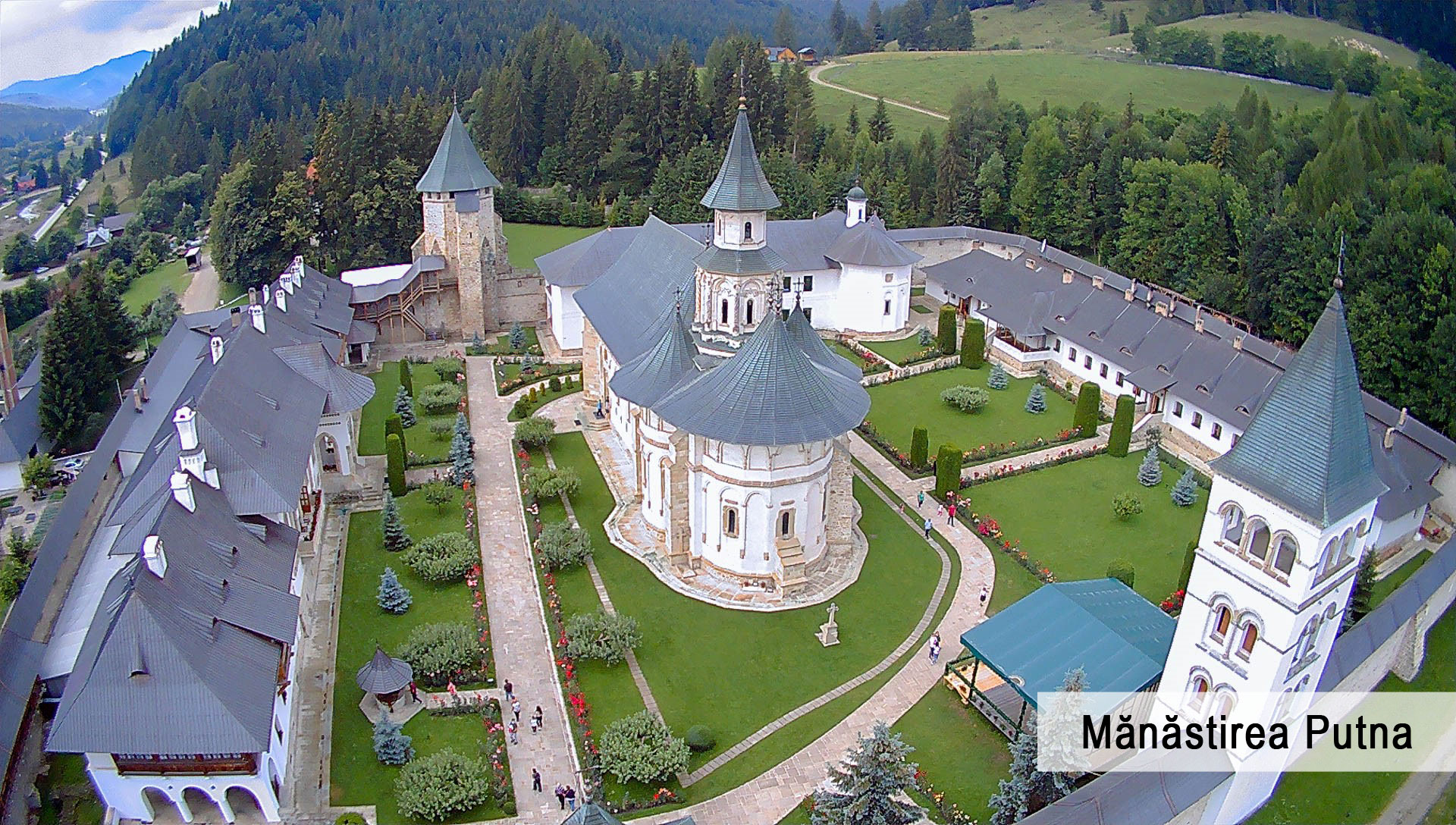
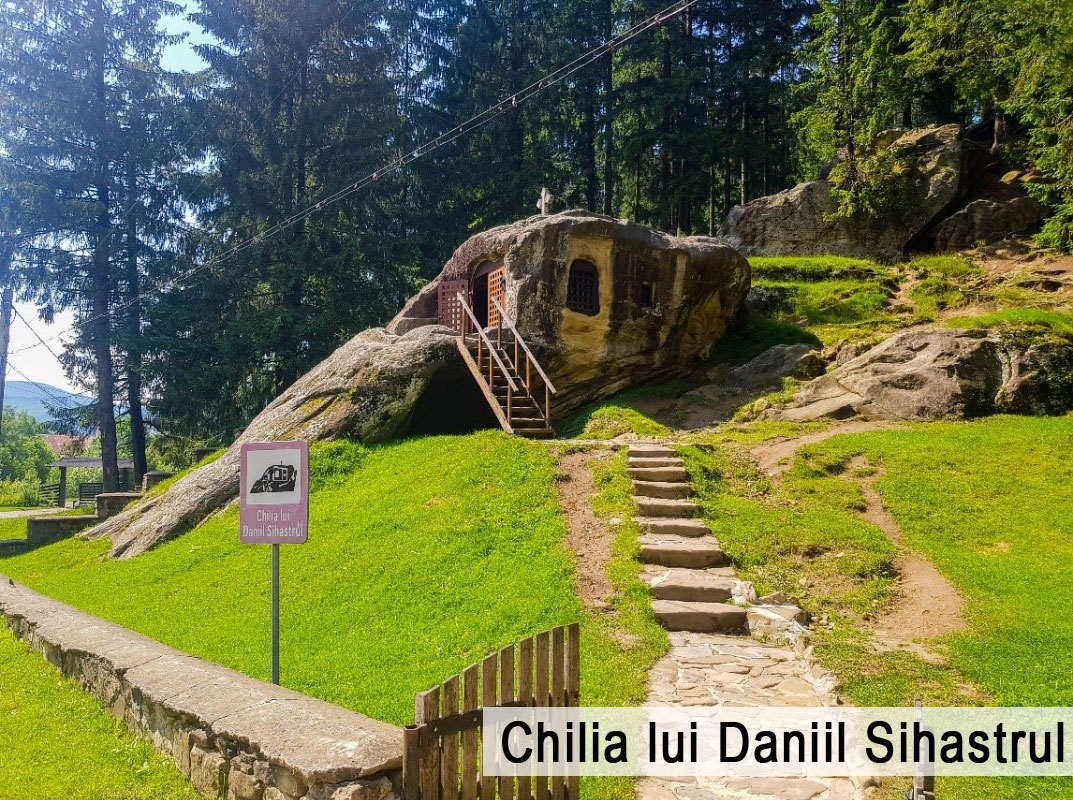
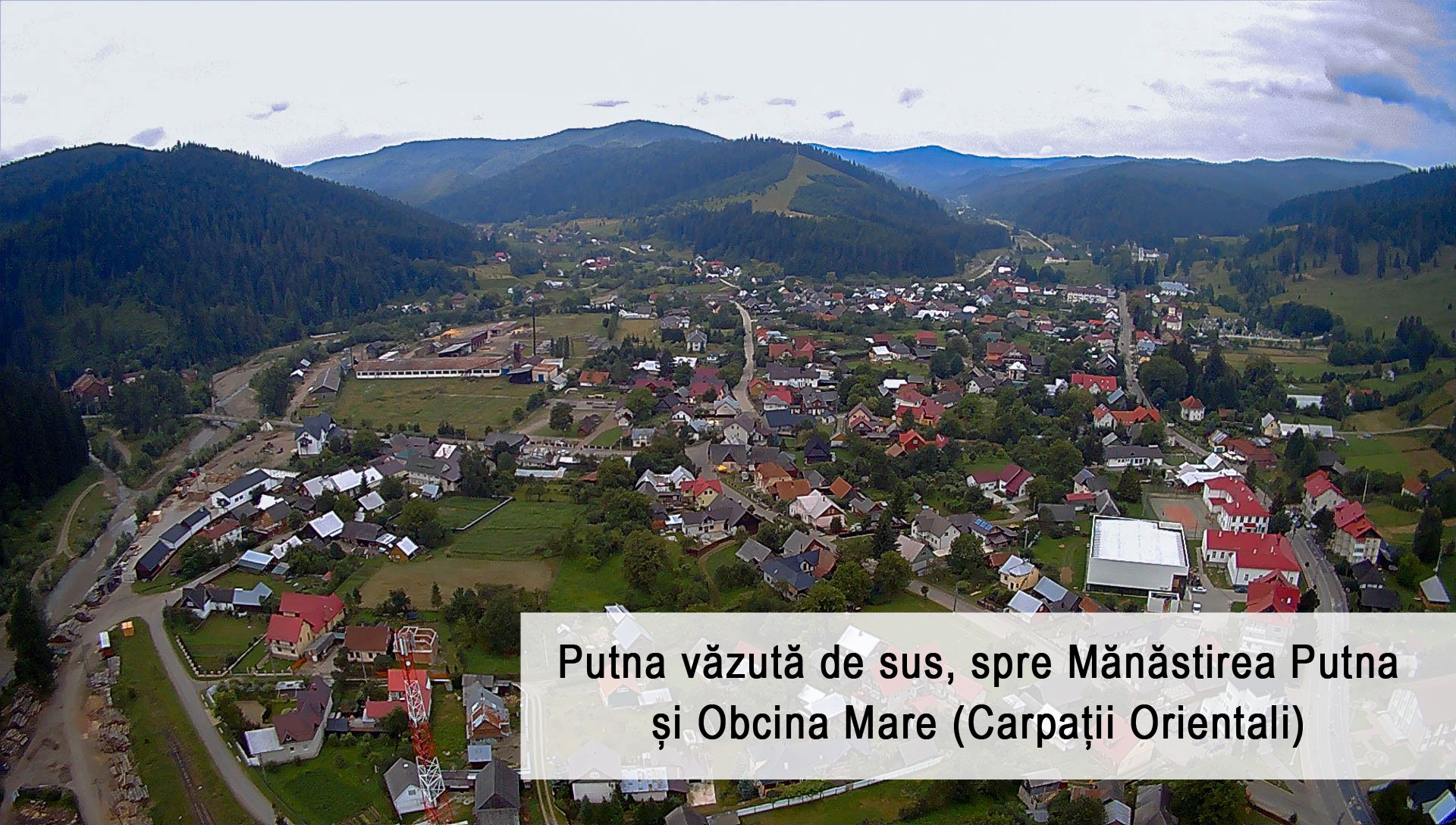
Once you have reached Putna, it is impossible not to visit the Putna Monastery (located about 1.5 kilometers from the railway station), founded by Stephen the Great and one of the most important historical and cultural centers in Moldavia, as well as the cell of Daniil the Hermit (1 kilometre) or the Wooden Church from Putna, all included in the Historical Monument List from Romania and/or the Suceava County.

Also, in Suceava, one of the oldest and most important cities in the country, which was the capital of the Principality of Moldavia for almost two centuries, you can visit numeous historical and touristic landmarks, spread throughout the city and its sorroundings: The Bucovina Village Museum (household in Straja), the Suceava Seat Fortress, the Şcheia Fortress, the Princely Court, the History Museum, the Natural Sciences Museum etc.

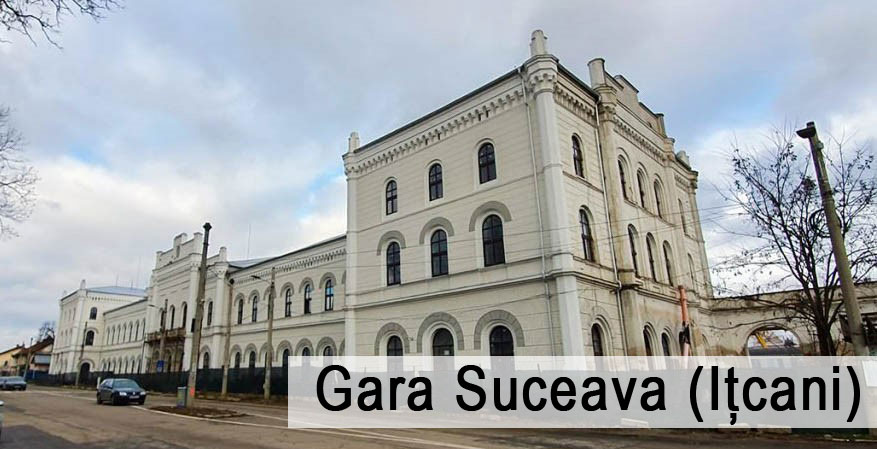
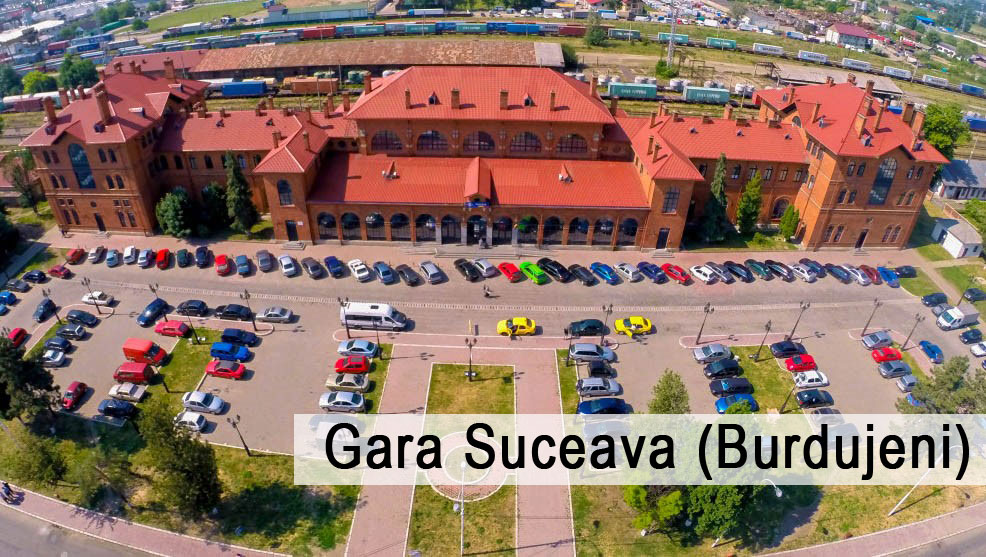
The railway traffic in Suceava is provided by two mmonumental stations built just 3 kilometres apart. The Suceava or Burdujeni Station represents one of the city’s landmarks, built in eclectic style, after the model of the Swiss Fribourg Station. It is the largest station in the former Romanian Principalities and has been kept totally unaltered until the present day. The second station is Suceava North, also known as the Iţcani Station, built in 1871 in the Iţcani locality, today a district in the city of Suceava.

From Gura Putnei (altitude of 473 metres) to Putna (532 metres), the railway climbs 60 metres over a distance of just 5.5 kilometres, due to the fact that Putna lies in a wavy relief in the Mountains of Obcina Mare, part of the Eastern Carpathians.

Did you know?

Between 1871 and 1918, the railway station in today’s Burdujeni district was in Romanian territory, while the station in today’s Iţcani district was on the territory of the Austro-Hungarian Empire. Both current Suceava districts were border localities between Romania and the Austro-Hungarian Empire, and are separated by the Dragomirna and Mitocu rivers, both affluents of the Suceava River.
#StefanCelMare
#EUYearofRail

Other articles on the same subject:

CFR Călători, partner of Connecting Europe Express! click here
The future of transport is the railway – Chose the railway! click here
Romania – Founding Member of the International Union of Railways! click here
Railway transport – the Most Ecologic Type of Passenger Transport in Europe click here
Steam locomotives museum in Reșița click here
The “Ceferiada” Event click here
Steam locomotives museum in Dej click here
Rail transport connects Europe click here
Intelligent transport click here
The TRAIN = The railway transport is cleaner click here
140 years from the first railway built entirely by Romanian engineers click here
The railway connection of the Capital with the East and the West, in the beginning click here
The beginning of railways in Europe click here
The history of the royal train – CFR Călători click here
The Danube Cliff and the Filești Tunnel in the European Year of Railways click here
The Filiași – Bumbești – Livezeni railway click here
The Caracău Viaduct – the largest concrete arched viaduct in Romania click here
The Royal Station of Bucharest Băneasa click here
The beginning of railways in Europe

The construction of railways throughout Europe has brought huge changes in the whole economic and social activity and continues to play an important role in the development of the continent to this day. The history of the railway transport began in Great Britain and then spread to continental Europe and each nation approached railways differently.

Each European country has a different history regarding the railways, but the development of the modern railway system occurred due to the following factors: technological progress and the need to transport military troops and equipment. The first locomotives used steam engines. Steam engines were not initially suitable for the railway transport because they provided an oscillating linear motion that had to be transformed into a rotary motion of the wheel.

The first problem was solved by James Watt by inventing an engine that incorporated his researches on the use of high pressure steam on pistons and created the first steam locomotive in 1784. By developping the metal processing and metallurgy in 1783, the metal used in the construction of the first trains became more resistant due to the removal of impurities.

The French Revolution and Napoleonic Wars also contributed to the development of the railway network in Europe. The loss of horses during these wars necessitated an alternative form of transport. Thus, by 1820, a properly functioning locomotive has been designed and the infrastructure construction process had been developed and widespread enough to make possible the existance of cheap and quality railroad tracks and hence the history of the railway transport in Europe was different depending on the country.

Did you know that?

In 1991, the European Economic Community (EEC) adopted the first railway directive on the development of Community’s railways, proposing the opening of markets, networks and services for passengers and freight. It was followed by the Directive 95/18/EEC on the licensing of railway undertakings, whereby the European Union (EU) introduced a set of new legal requirements for the licensing of railway undertakings. It meant that a license granted in a Member State was valid in what would become the Single European Railway Area (SERA).
These were the basis for the beginning of the works for the First Railway Package started in 1998 and completed in 2001, and the package consisted of Directives 2001/12/CE, 2001/13/CE and 2001/14/CE.

Other articles on the same subject:

CFR Călători, partner of Connecting Europe Express! click here
The future of transport is the railway – Chose the railway! click here
Romania – Founding Member of the International Union of Railways! click here
Railway transport – the Most Ecologic Type of Passenger Transport in Europe click here
Steam locomotives museum in Reșița click here
The “Ceferiada” Event click here
Steam locomotives museum in Dej click here
Rail transport connects Europe click here
Intelligent transport click here
The TRAIN = The railway transport is cleaner click here
140 years from the first railway built entirely by Romanian engineers click here
The railway connection of the Capital with the East and the West, in the beginning click here
Explore the railway route Suceava – Putna click here
The history of the royal train – CFR Călători click here
The Danube Cliff and the Filești Tunnel in the European Year of Railways click here
The Filiași – Bumbești – Livezeni railway click here
The Caracău Viaduct – the largest concrete arched viaduct in Romania click here
The Royal Station of Bucharest Băneasa click here
The TRAIN = The railway transport is cleaner

Although road transport has advanced in recent decades, it is expensive and does not provide a solution for all people. It has detrimental effects on environment and climate, but railway transport tends to solve all these problems.

According to the EU Green Agreement by 2050, the aim is to switch to the use of alternative fuels for the total elimination of carbon emissions, and the railway transport can help because the railway pollutes 8 times less and emits 9 times less CO2 than the road transport, according to CER. For this reason, in Romania it is invested in electrification of the main railway lines, modernization and efficiency of electric locomotives, the purchase of trains with alternative fuels (hydrogen trains), the modernization of all coaches with ecological toilets, etc.

Traffic is one of the main problems of big cities, and the number of people moving to and from work and / or schools is very high. Thus, traveling by train is an alternative to road transport, offering passengers more options. Besides being the most environmentally friendly mode of transport and has a generous space that gives freedom of movement, the train can avoid hours lost in traffic, unnecessary expenses and allows optimizing every moment of the journey, whether we are talking about travelling between cities or just to work / school.

CFR Călători is attentive to the transport needs, requests and expectations of the passengers and the decisions we make are based on the passengers and their needs. Therefore, in addition to the ongoing concern to maximize the capacity and to provide safe, efficient, economical and quality services for a better experience on board our trains, we carry out rolling stock modernization programs and continue to strive to ensure and increase mobility of citizens and rail connections between all areas of the country.

Traveling by train is the transport of the future to which we are striding because the railway is a sustainable solution for the transport of passengers and goods to reduce CO2 emissions, offering passengers and businesses an environmentally friendly transport choice.

#AnulEuropeanAlCăilorFerate2021

#EUYearofRail

Did you know that?

Most CFR Călători locomotives that reach speeds higher than 100km / h are equipped with a localized train control system, in this case PZB 90 / INDUCED.
PZB 90 = Punktförmige Zugbeeinflussung; PZB 90 = INDUCED = Induktive Zugsicherung.
The PZB 90 monitors the speed depending on the time and the distance traveled and includes a start-up program and comprises restrictive monitoring curves, which prevent the unauthorized passage over a signal with a stop indication.
This system is useful for emergency braking of the train when it exceeds the required speed or a signal on the red color, being a safety element.

Other articles on the same subject:

CFR Călători, partner of Connecting Europe Express! click here
The future of transport is the railway – Chose the railway! click here
Romania – Founding Member of the International Union of Railways! click here
Railway transport – the Most Ecologic Type of Passenger Transport in Europe click here
Steam locomotives museum in Reșița click here
The “Ceferiada” Event click here
Steam locomotives museum in Dej click here
Rail transport connects Europe click here
Intelligent transport click here
140 years from the first railway built entirely by Romanian engineers click here
The railway connection of the Capital with the East and the West, in the beginning click here
The beginning of railways in Europe click here
Explore the railway route Suceava – Putna click here
The history of the royal train – CFR Călători click here
The Danube Cliff and the Filești Tunnel in the European Year of Railways click here
The Filiași – Bumbești – Livezeni railway click here
The Caracău Viaduct – the largest concrete arched viaduct in Romania click here
The Royal Station of Bucharest Băneasa click here