The railway connection of the Capital with the East and the West, in the beginning

In 1869, Romania became the third country in Eastern Europe, after Russia and the Ottoman Empire (in Dobrogea) which had a railway line. The first cities interconnected by a railway were Bucharest and Giurgiu.

In the summer of 1869, the construction of the Bucharest – Filaret – Giurgiu line was completed and on August 26, King Carol I left by train for Giurgiu, from where he then traveled on the Danube to Germany. This was an isolated line with a length of 67 km, which connected the capital with the Danube and a direct connection with the East and the West.
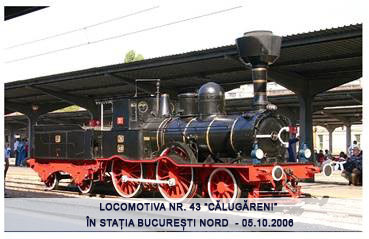
It is the tenth railway line built on the territory of today’s Romania and the first in the Old Kingdom. It was opened to trains circulation on October 19, 1869, when it was officially inaugurated. Then, two festive trains left Filaret Station – the oldest station in the Capital, at an interval of 15 minutes. The first train was driven by the builder John Trevor Barkley himself, and the second by the first Romanian locomotive mechanic – Nicolae Tănase. Because the route of the line passed near Călugăreni, where in 1595 the ruler Mihai Viteazul had achieved a success against the Ottomans, the first locomotive was named “Michaiu Bravul” in his honor. The second locomotive that ran in Romania on Bucharest – Giurgiu line was called “Călugăreni” and is currently in the patrimony of the Railway Museum in Bucharest.
In 1872, on December 13, with the inauguration of the second station of the capital – Targoviste Railway Station (since 1888 Bucharest North), the railway connection between Filaret Railway Station and Targoviste Railway Station of 6.9 km long became usable, thus connecting a line singular with the highways that ensured the international connections between the West and the East.
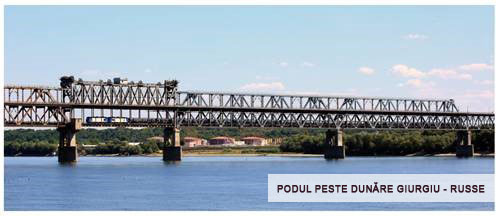
On June 20, 1954, the inauguration of the bridge over the Danube from Giurgiu takes place (Friendship Bridge 3.9 km) – with a length of 2224 m – with two levels (railway and car) which made the direct railway connection of Romania with Bulgaria, through Russian border crossing.

Thus, the Bucharest – Giurgiu – Ruse railway became a main international route until 2005, when the railway bridge from Grădiștea collapsed due to floods, the traffic currently taking place through Videle.

Also, the shortest road from Romania to Vienna in 1869 was from Bucharest to Giurgiu, by train, and then by boat on the Danube to Vienna.

Did you know that?

In the autumn of 1868, the poet Mihai Eminescu traveled to the University of Vienna, on the fresh line Vicşani – Suceava. It was inaugurated in the middle of 1868 – a section that was part of the Austro-Hungarian Empire and made the railway connection between Vienna and Suceava (1075 km).

Bibliography:
The small monograph of the Romanian railways, vol 5, 1999, author Ing Radu Bellu
HISTORY OF THE ROMANIAN RAILWAYS, Bucharest 2014, authors CENAFER and the CFR Museum

Other articles on the same subject:

CFR Călători, partner of Connecting Europe Express! click here
The future of transport is the railway – Chose the railway! click here
Romania – Founding Member of the International Union of Railways! click here
Railway transport – the Most Ecologic Type of Passenger Transport in Europe click here
Steam locomotives museum in Reșița click here
The “Ceferiada” Event click here
Steam locomotives museum in Dej click here
Rail transport connects Europe click here
Intelligent transport click here
The TRAIN = The railway transport is cleaner click here
140 years from the first railway built entirely by Romanian engineers click here
The beginning of railways in Europe click here
Explore the railway route Suceava – Putna click here
The history of the royal train – CFR Călători click here
The Danube Cliff and the Filești Tunnel in the European Year of Railways click here
The Filiași – Bumbești – Livezeni railway click here
The Caracău Viaduct – the largest concrete arched viaduct in Romania click here
The Royal Station of Bucharest Băneasa click here
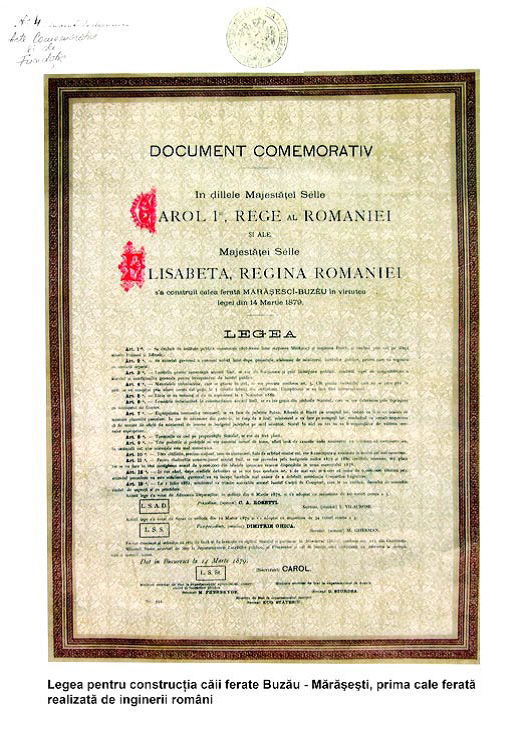
140 years from the first railway built entirely by Romanian engineers

The Buzău – Mărășești railway route, opened in 1881, is the first railway built by a railway unit of the Romanian state. The construction was a real success, which started the construction of railways in Romania, without foreign concessionaires.

Inaugurated on October the 18th, 1881, the construction of the Buzău – Mărășești railway line – “the first rail line that directly connects Moldova with Muntenia” (The Time newspaper from 1881), meant a complete success of the Romanian railway technique. The route was well chosen, with many alignments (the longest was 18 km), required the construction of eight wooden bridges, and the costs were much lower than in any other country in Europe. The motor rolling stock came from the rolling stock of the Russian railway lines built during the War of Independence, such as the Russian locomotives “Unirea”, “Independenţa”, “Şoimul”, “Putna”, etc.

During the construction of the Buzău – Mărășești railway line, several important events took place for the Romanian railways.

  • In 1880 the Romanian state repurchases from the C.F.R. Shareholders’ Company (set up in place of the Strussberg consortium) the 921 km of simple track (including the rolling stock and all facilities) which it operated.
  • On April the 23rd, 1880, the “Princely General Directorate of Railways” (in short, the General Directorate of the C.F.R.) was established, in charge of the construction and operation of the railways in the United Principalities of that time. This entity repurchases, seizes and unifies the railway network on the territory of Romania, either state owned or leased.
  • On July the 1st, 1882, the other railway lines that were not part of the Strussberg concession were included, including the Cernavodă – Constanța railway line.
  • Also, July the 1st, 1882 is the date when the total unification of the Romanian railway network takes place (the country had become a kingdom in 1881), and on June the 28th, 1882 the Law for the unification of all Romanian railways was passed.

It should be noted that at that time most of the world’s railways were built and operated by private companies. Considering this fact, the takeover by the Romanian state of the construction, operation of the railways and their administration through a general directorate represented an act of courage, but also the fact that the country had confidence in the training, capacity and energy of the competent staff.

Immediately after the creation of the General Directorate of C.F.R., the development of the network and its operation took a big leap. By the end of the First World War, the Romanian railway network almost tripled compared to the one existing in 1879, reaching 3,838 km of railway in operation, with over 400 of railway stations and stops. The growth of the network between 1879 – 1919 was on average about 60 km per year. The budget of the General Directorate of C.F.R. has increased year by year. But the increase in traffic was proportionally higher, constantly accumulating a surplus in revenue, interrupted only between 1916 – 1919 when Romania took part in the First World War.

The development of the railway network and its operation have increased the conditions necessary for the general development of the country’s economy.

Law for the construction of the Buzău – Mărășești railway line, the first built by Romanian engineers.

Did you know?

  • On 6 March 1883 – The first law on the organization of CFR was based on the principle of complete autonomy, with a commercial trait, with a special budget given by the State, approved by the Parliament and applied under the control of the Ministry of Public Works and Communication. The law established the organization of the Administration, the attributions of the services, the functions and attributions of the employees, collecting the incomes and making the expenses, their control, etc.
  • In 1888 – The General Directorate of CFR is led by Eng. George I. Duca, who determined and carried out the repurchase of the leased railways, competent organizer of the railway service, appreciated abroad as well.

#AnulEuropeanAlCăilorFerate2021
#EUYearofRail

Bibliography:
The small monograph of the Romanian railways, vol 6, 2001, author Ing. Radu Bellu
HISTORY OF THE ROMANIAN RAILWAYS, Bucharest 2014, authors: CENAFER and the CFR Museum

Other articles on the same subject:

CFR Călători, partner of Connecting Europe Express! click here
The future of transport is the railway – Chose the railway! click here
Romania – Founding Member of the International Union of Railways! click here
Railway transport – the Most Ecologic Type of Passenger Transport in Europe click here
Steam locomotives museum in Reșița click here
The “Ceferiada” Event click here
Steam locomotives museum in Dej click here
Rail transport connects Europe click here
Intelligent transport click here
The TRAIN = The railway transport is cleaner click here
The railway connection of the Capital with the East and the West, in the beginning click here
The beginning of railways in Europe click here
Explore the railway route Suceava – Putna click here
The history of the royal train – CFR Călători click here
The Danube Cliff and the Filești Tunnel in the European Year of Railways click here
The Filiași – Bumbești – Livezeni railway click here
The Caracău Viaduct – the largest concrete arched viaduct in Romania click here
The Royal Station of Bucharest Băneasa click here
Intelligent transport

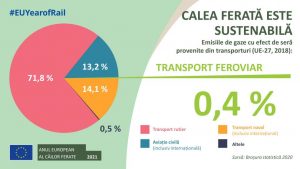
Climate change and pandemic challenges require new approaches to limit the effects on the environment and climate, but also to revive the economic growth.

Both goals can be met by the rail transport. We all became aware in the last year that mobility is important to go to work, to school, to travel on vacation, to reunite with family and friends etc. Therefore, increasing the mobility of people and goods exchange is a viable opportunity to boost the economy, education and to facilitate the connection between people, communities, families, regions of the country and Europe.

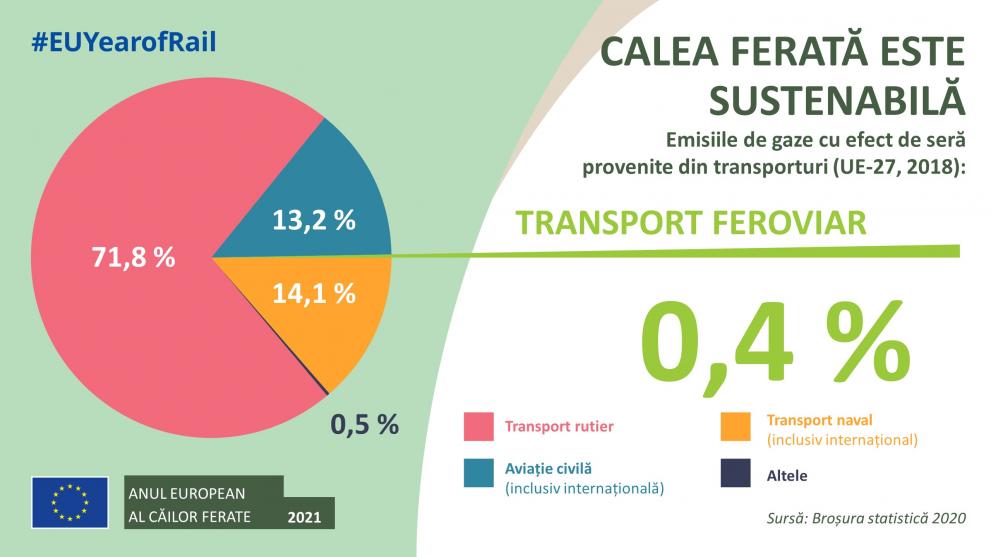
Ensuring rail mobility provides alternatives to current and future difficulties, and to limit CO2 emissions, train journey must become a commonplace because it is the greenest means of transport.

You can find out the impact on the environment, produced by using different means of transport for trips to Europe, by accessing the program ECOPASSENGER
(http://ecopassenger.org/bin/query.exe/en?L=vs_uic).

The application is developed by the International Union of Railways and allows the comparison of air, car and rail journey routes, by calculating the energy consumption, CO2 emissions and other pollutants (nitrogen oxide emissions, particulate emissions, hydrocarbon emissions), for each selected route. Any route of interest can be entered and the application will highlight the emissions by modes of transport.

We can all contribute to the fight against climate change and economic growth. Get on the train! The future is the railway.

#EuropeanYearofRail2021

#EUYearofRail

Did you know that?

  • 1965 – 1966 – The electric traction was put into operation on Braşov – Predeal section. On April 20, 1966, Predeal – Câmpina section was put into operation, and on February 16, 1969 the entire electrified main line Braşov – Bucureşti (170 km) was officially inaugurated. For the electric traction, 10 Co-Co locomotives of 5100 kW were delivered by the Swedish company ASEA. In December 1965, the first inaugural train on Predeal – Brașov section was hauled by the first electric locomotive EA 001.

Other articles on the same subject:

CFR Călători, partner of Connecting Europe Express! click here
The future of transport is the railway – Chose the railway! click here
Romania – Founding Member of the International Union of Railways! click here
Railway transport – the Most Ecologic Type of Passenger Transport in Europe click here
Steam locomotives museum in Reșița click here
The “Ceferiada” Event click here
Steam locomotives museum in Dej click here
Rail transport connects Europe click here
The TRAIN = The railway transport is cleaner click here
140 years from the first railway built entirely by Romanian engineers click here
The railway connection of the Capital with the East and the West, in the beginning click here
The beginning of railways in Europe click here
Explore the railway route Suceava – Putna click here
The history of the royal train – CFR Călători click here
The Danube Cliff and the Filești Tunnel in the European Year of Railways click here
The Filiași – Bumbești – Livezeni railway click here
The Caracău Viaduct – the largest concrete arched viaduct in Romania click here
The Royal Station of Bucharest Băneasa click here
Transportul inteligent

Schimbările climatice și provocările în contextul pandemic necesită noi abordări pentru a limita efectele asupra mediului și asupra climei, dar și de a revitaliza creșterea economică.

Prin transportul feroviar pot fi îndeplinite ambele deziderate. Cu toții am devenit conștienți în ultimul an că mobilitatea este importantă pentru a merge la muncă, la școală, a călători în vacanțe, a ne reîntâlni cu familia și prietenii etc. De aceea creșterea mobilităţii persoanelor şi a schimburilor de marfuri reprezintă o şansă viabilă pentru stimularea economiei, a educației și de a înlesni conexiunea între oameni, comunități, familii, regiunile țării și cu Europa.

Asigurarea mobilității pe calea ferată oferă alternative în faţa dificultăţilor actuale și viitoare, iar pentru a limita emisiile de CO2, călătoria cu trenul trebuie să devină un lucru obișnuit pentru că reprezintă cel mai ecologic mijloc de transport.

Puteți afla impactul asupra mediului, produs prin utilizarea diferitelor mijloace de transport pentru călătoriile în Europa, accesând programul ECOPASSENGER (http://ecopassenger.org/bin/query.exe/en?L=vs_uic).

Aplicația este realizată de Uniunea Internaţională a Căilor Ferate și permite compararea rutelor de călătorie aeriană, auto şi feroviară, prin calcularea consumului de energie, emisiilor de CO2 şi a altor poluanţi (emisii de oxizi de azot, emisii de particule, emisii de hidrocarburi), pentru fiecare rută selectată. Poate fi introdusă orice rută de interes și aplicația va evidenția emisiile pe moduri de transport.

Toți putem contribui la combaterea schimbărilor climatice și la creșterea economică. Urcă-te în tren! Viitorul este calea ferată.

#AnulEuropeanAlCăilorFerate2021

#EUYearofRail

Știați că?

  • 1965 – 1966 – A intrat în exploatare tracţiunea electrică pe tronsonul Braşov – Predeal. La 20 aprilie 1966 a fost dat în exploatare tronsonul Predeal – Câmpina, iar la 16 februarie 1969 este inaugurată oficial întreaga magistrală electrificată Braşov – Bucureşti (170 km). Pentru tracţiunea electrică au fost livrate de firma suedeză ASEA, 10 locomotive tip Co-Co de 5100 kW. În Decembrie 1965 primul tren inaugural pe Predeal – Brașov a fost remorcat cu EA 001 prima locomotivă electrică.

Alte articole pe aceeași temă:

CFR Călători, partener al Connecting Europe Express! click aici
Transportul viitorului este cel feroviar. Alegeți calea ferată! click aici
România membru fondator al Uniunii Internaționale a Căilor Ferate click aici
Transportul feroviar cel mai ecologic tip de transport de pasageri din Europa click aici
Muzeul de locomotive cu abur din Reșița click aici
Ceferiada click aici
Muzeul de locomotive din Dej click aici
Transportul feroviar conectează Europa click aici
TRENUL = Transportul feroviar este mai curat click aici
140 ani de la prima cale ferată executată integral de ingineri români click aici
Conexiunea feroviară a Capitalei cu Orientul și Occidentul, la începuturi click aici
Începutul căilor ferate în Europa click aici
Explorați ruta feroviară Suceava – Putna click aici
Istoria trenului regal click aici
Faleza Dunării și Tunelul Filești în Anul European al Căilor Ferate! click aici
Calea ferată Filiași – Bumbești – Livezeni click aici
Viaductul Caracău -cel mai mare viaduct în arc din beton din România click aici
Gara regală Bucureşti Băneasa click aici

Rail transport connects Europe

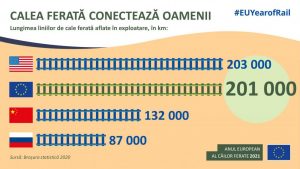
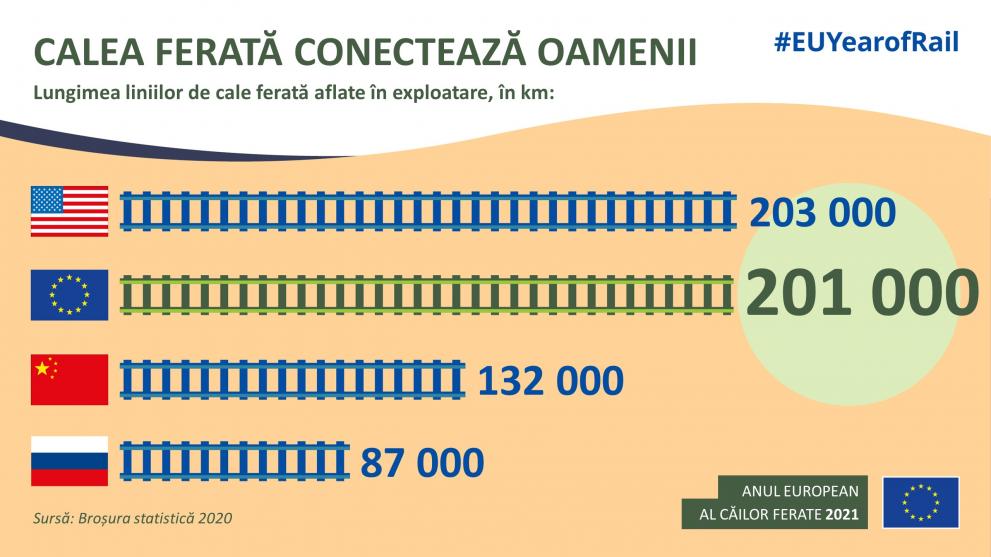
The railway offers Europe a truly connected future. Cooperation between railway companies already leads to a uniform network in which key areas align their programming processes, overcome language barriers, simplify the rules and technical requirements of the European Union for trains to run across borders.

In this way a new infrastructure capacity is created, in particular for the connection of industrial parks to the main freight network, as well as the completion of the European network linking capitals and big cities. Such rail connections between countries contributes to the creation of a European identity and to the shaping of common values. At the local level the railways provide transport and mobility services, offering passengers more options.

The Connecting Europe Express train is a unique project involving the European Commission, the European Railway Community and Infrastructure Companies (ERC), European railway operators, infrastructure managers and many other partners at Community and local level. Conceived by the European Commission as part of the European Year of Railways and with the help of unprecedented collaboration between railway companies, the Connecting Europe Express train will cross the continent this autumn – over 40 cities in 26 countries in 36 days. The train will demonstrate the power of the railway to connect people and companies, but also the importance of EU infrastructure policy that makes this possible.

#EUYearofRail

Did you know that?

  • The Arad Railway Station – The old railway station from 1910 was transformed during 2012-2016 in the most modern station in Romania and is part of the section of the pan-European railway corridor (Arad – Bucharest– Constanța). Arad is an important railway junction at the intersection of 6 routes (to and from Timișoara, Deva, Curtici, Sântana, Periam and Nădlac) and the main connection with Hungary and Austria. The first train passed through Arad railway station on October the 25th, 1858, when the Szajol-Arad railway was inaugurated.
  • The Curtici Railway Station connects Western Romania. CFR Călători trains pass through here to Hungary and Vienna, where there are railway connections to Western Europe. Come with us on a short virtual trip on the Arad – Curtici route: https://www.youtube.com/watch?v=UPZEZnR0j1I

Other articles on the same subject:

CFR Călători, partner of Connecting Europe Express! click here
The future of transport is the railway – Chose the railway! click here
Romania – Founding Member of the International Union of Railways! click here
Railway transport – the Most Ecologic Type of Passenger Transport in Europe click here
Steam locomotives museum in Reșița click here
The “Ceferiada” Event click here
Steam locomotives museum in Dej click here
Intelligent transport click here
The TRAIN = The railway transport is cleaner click here
140 years from the first railway built entirely by Romanian engineers click here
The railway connection of the Capital with the East and the West, in the beginning click here
The beginning of railways in Europe click here
The history of the royal train – CFR Călători click here
The Danube Cliff and the Filești Tunnel in the European Year of Railways click here
The Filiași – Bumbești – Livezeni railway click here
The Caracău Viaduct – the largest concrete arched viaduct in Romania click here
The Royal Station of Bucharest Băneasa click here
Steam locomotives museum in Dej

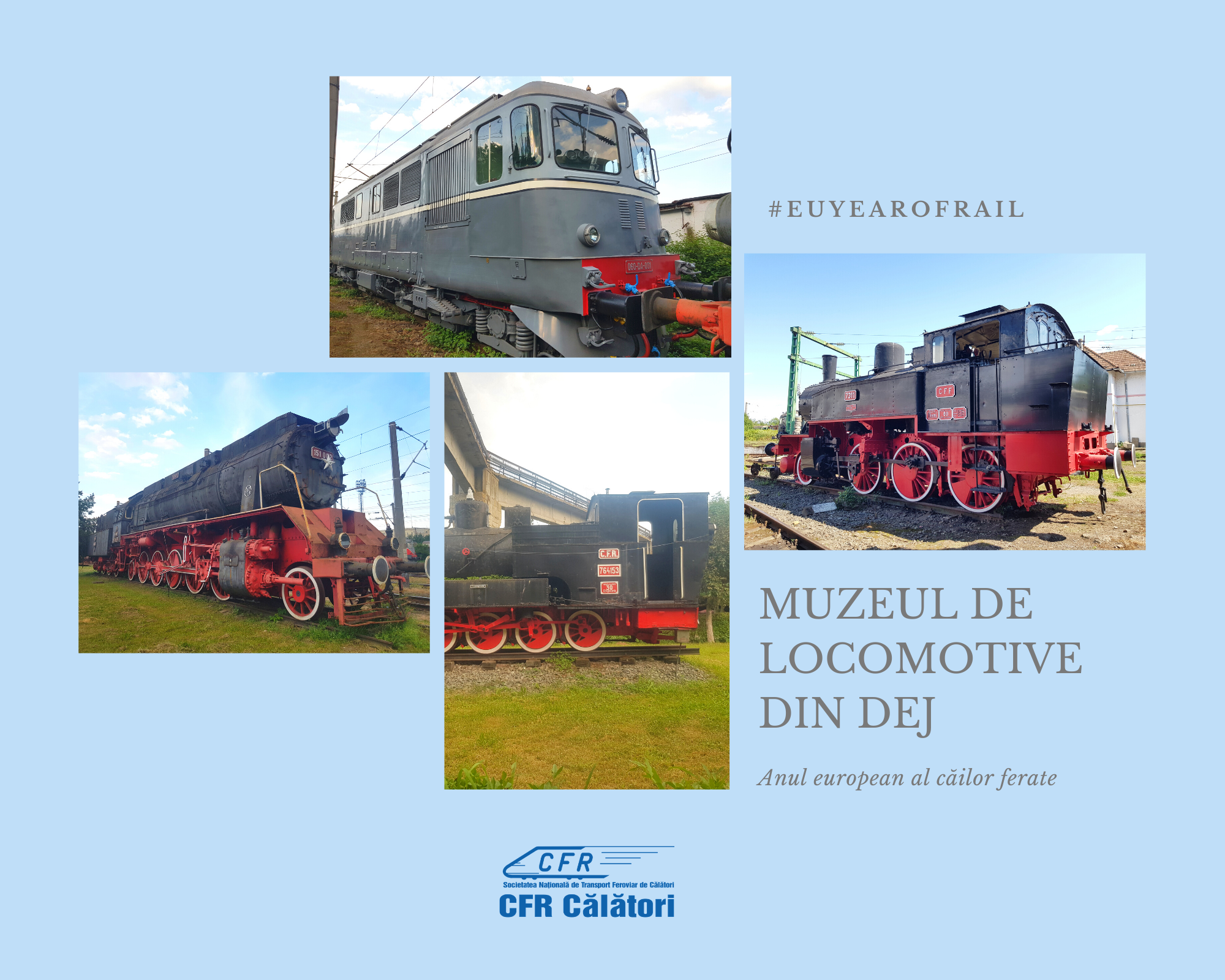
Steam locomotives in Dej was founded at the initiative of some passionate railway workers in 1992. It is the only museum of its kind in Transilvania. You can admire over 20 steam and electric locomotives, but also railway coaches that made history in Romania.

The oldest exhibits, a steam locomotive and an electric locomotive, dating from 1908.

The steam locomotive 40.007 was manufactured by Wiener Lokomotivfabriks AG, Floridsdorf (Austria) and ran on the route Subcetate – Haţeg – Bouţari – Caransebeş, during 1908 – 1978.

In the museum you can also see the most powerful steam locomotive manufactured in Romania (151 002), the steam locomotive number 1000 manufactured in Reșița and many others.

In the museum there is a museum coach with objects specific to the depot activity.

The museum is organized in open-air, the entry is free and most of the exhibits can be seen from above, from a walkway crossing the depot Dej-Triaj.

Did you know?

The steam locomotive 151002 is part of a series of only two units manufactured by Malaxa Plants in 1939 and 1941. These were the most powerful steam locomotives manufactured in Romania, being able to tow over 3000 tons.

The steam locomotive 151001 was captured by the URSS in 1945, exploding a few years later in Kharkiv, but the steam locomotive 151002 ran until 1971.

Other articles on the same subject:

CFR Călători, partner of Connecting Europe Express! click here
The future of transport is the railway – Chose the railway! click here
Romania – Founding Member of the International Union of Railways! click here
Railway transport – the Most Ecologic Type of Passenger Transport in Europe click here
Steam locomotives museum in Reșița click here
The “Ceferiada” Event click here
Rail transport connects Europe click here
Intelligent transport click here
The TRAIN = The railway transport is cleaner click here
140 years from the first railway built entirely by Romanian engineers click here
Conexiunea feroviară a Capitalei cu Orientul și Occidentul, la începuturi click aici
The beginning of railways in Europe click here
The history of the royal train – CFR Călători click here
The Danube Cliff and the Filești Tunnel in the European Year of Railways click here
The Filiași – Bumbești – Livezeni railway click here
The Caracău Viaduct – the largest concrete arched viaduct in Romania click here
The Royal Station of Bucharest Băneasa click here